

From 0 to 100 Dashboards: Lessons in Enterprise BI Reporting
How I built an enterprise BI reporting framework on Microsoft Power Platforms at Cloud Solutions, delivering 100+ dashboards and a data-driven culture.
By Khalil Abu Mushref · ·
During my time as an IT Business Analyst and Product Owner at Cloud Solutions, I had the incredible opportunity to lead the implementation of a new enterprise-wide reporting framework using Microsoft Power Platforms. The initiative culminated in the creation of over 100 dashboards, fundamentally transforming how the organization approached decision-making. This journey taught me invaluable lessons about the power of data, the importance of user-centric design, and the art of fostering a data-driven culture.
The Problem: Data Silos and Intuition-Based Decisions
Like many growing organizations, Cloud Solutions was rich in data but poor in insights. Information was scattered across various systems, making it nearly impossible for leaders to get a holistic view of the business. Decisions were often made based on gut feelings and anecdotal evidence rather than on hard data. My challenge was to break down these data silos and empower our teams with the tools they needed to make informed, data-driven decisions.
The Strategy: A User-Centric BI Framework
I knew that simply building dashboards wouldn't be enough. To drive real change, I needed to create a framework that was not only powerful but also accessible and intuitive for users of all technical abilities. My strategy was centered around three core principles:
-
Start with the "Why": Before writing a single query, I spent weeks interviewing stakeholders from every department to understand their key business questions and pain points. This user-centric approach ensured that every dashboard we built was directly tied to a real business need.
-
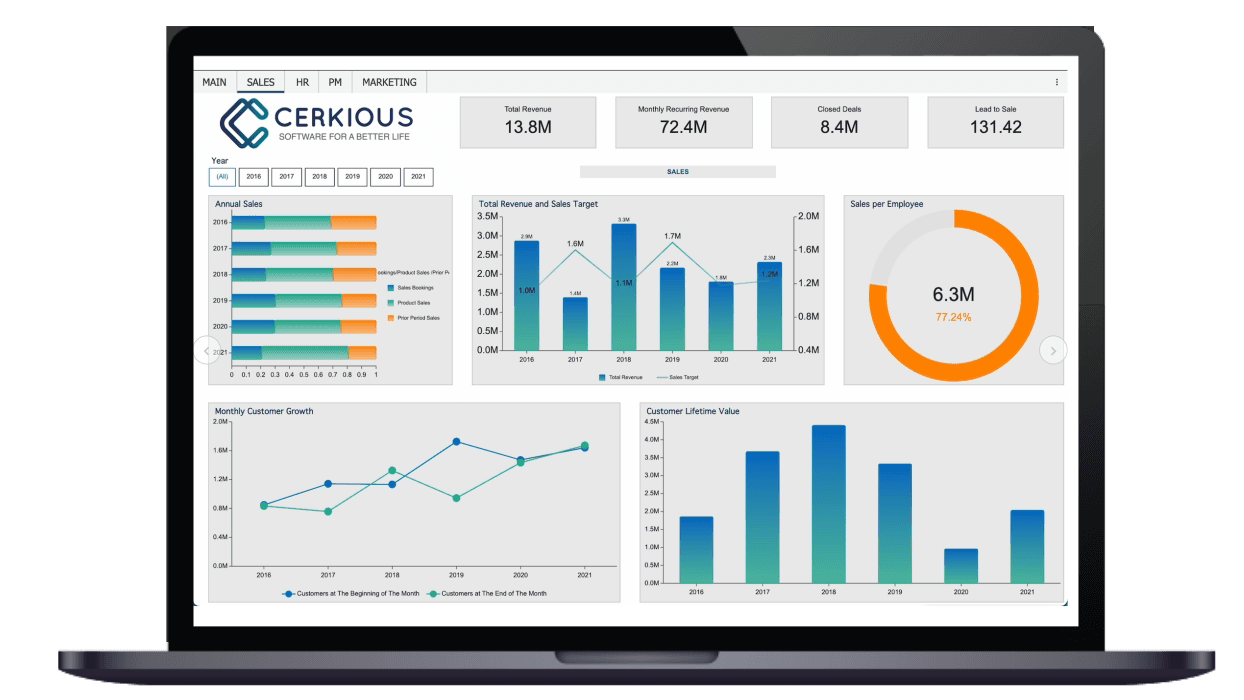
Design for Clarity, Not Complexity: I adopted a minimalist design philosophy, focusing on clear, concise visualizations that told a story at a glance. I avoided clutter and unnecessary complexity, ensuring that the most important insights were always front and center. We standardized our color palettes, chart types, and layouts to create a consistent and intuitive user experience across all dashboards.
-
Iterate, Train, and Empower: We launched the framework with a small set of pilot dashboards and then iterated based on user feedback. I also developed and led a comprehensive training program to empower our team members to not only use the dashboards but also to ask their own questions of the data. This created a virtuous cycle of curiosity and discovery, turning passive data consumers into active data explorers.
The Outcome: A Culture of Data-Driven Excellence
The results were transformative. The new reporting framework provided a single source of truth for the entire organization, enabling leaders to monitor performance in real-time, identify trends, and make strategic decisions with confidence. By democratizing access to data and empowering our teams with the skills to use it, we fostered a culture of data-driven excellence that continues to pay dividends today.
Key Takeaways
- Start with the "why": weeks of stakeholder interviews ensured every dashboard was tied to a real business need.
- Design for clarity, not complexity: standardized color palettes, chart types, and layouts created a consistent, intuitive experience across all dashboards.
- Iterate, train, and empower: pilot dashboards plus a comprehensive training program turned passive data consumers into active data explorers.
- A single source of truth let leaders monitor performance in real-time and make strategic decisions with confidence.
This experience was a powerful reminder that business intelligence is about more than just technology; it's about people, processes, and a relentless focus on driving business value. Building 100 dashboards was a significant achievement, but the real success was in building a culture that put data at the heart of every decision.