

AI in Modern Business Analysis: A Practitioner's Perspective
My practitioner's take on how AI is reshaping business analysis: prompt engineering for requirements, LLMs for documentation, and the skills BAs need next.
By Khalil Abu Mushref · ·
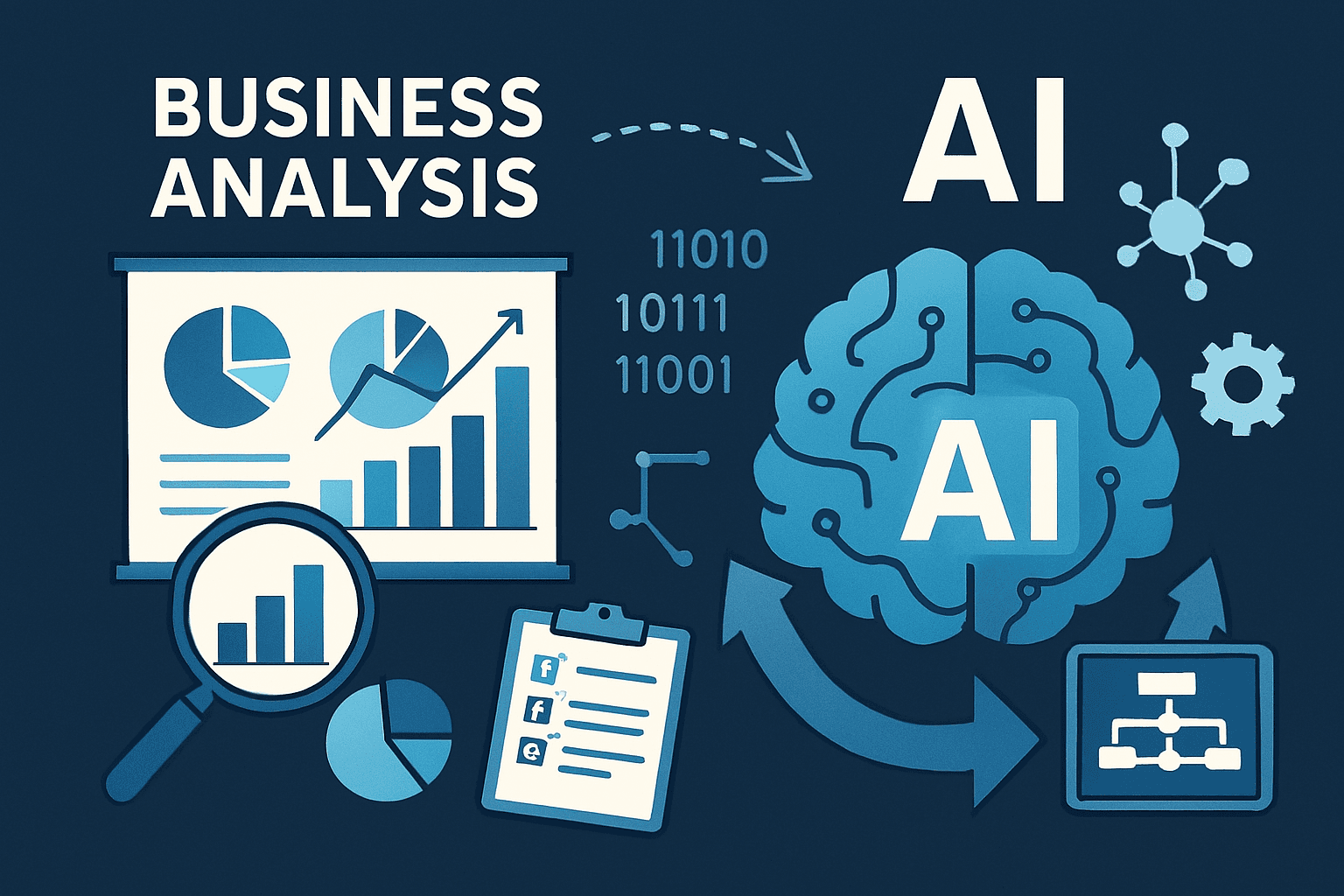
The field of business analysis is undergoing a profound transformation, and at the heart of this change is Artificial Intelligence. As a consultant who has spent years bridging the gap between business needs and technical solutions, I've witnessed firsthand how AI is not just another tool, but a fundamental reshaping of our profession. From automating tedious tasks to uncovering deep insights, AI is augmenting the capabilities of business analysts and enabling us to deliver value in ways we could only have imagined a few years ago.
Prompt Engineering: The New Art of Requirements Gathering
One of the most significant shifts I've seen is in the area of requirements gathering. The art of crafting the perfect question to elicit a precise response from a stakeholder is now being complemented by the science of prompt engineering. Large Language Models (LLMs) like GPT-4 can be powerful allies in the discovery process. By carefully crafting prompts, we can simulate stakeholder interviews, generate user stories, and even identify potential edge cases that might have been missed in a traditional workshop.
For example, I've used LLMs to create detailed user personas and then "interview" them to understand their needs and pain points. This not only accelerates the requirements gathering process but also helps to uncover a more diverse range of perspectives.
LLMs as a Documentation Powerhouse
Documentation is a critical but often time-consuming part of a business analyst's role. AI is dramatically streamlining this process. I now use AI-powered tools to:
- Transcribe and summarize stakeholder interviews in minutes, with remarkable accuracy.
- Generate initial drafts of Business Requirements Documents (BRDs) from unstructured notes and meeting transcripts.
- Analyze existing documentation for inconsistencies and gaps, ensuring that our knowledge base is always up-to-date and reliable.
This automation frees up valuable time that can be better spent on strategic activities like stakeholder engagement and solution design.
From Data to Insights: The AI-Powered Analyst
Beyond automation, AI is empowering business analysts to become true strategic advisors. With AI-powered analytics tools, we can now analyze vast datasets to identify trends, patterns, and correlations that would be impossible to detect manually. This enables us to move beyond simply documenting requirements to proactively identifying opportunities for innovation and process improvement.
For instance, in a recent project, we used a machine learning model to analyze customer feedback data and predict future churn. The insights from this model allowed us to design a targeted intervention strategy that significantly reduced customer attrition.
The Skills for the Future
To thrive in this new era, business analysts must evolve. The core skills of critical thinking, communication, and stakeholder management remain as important as ever. However, we must now augment these with a new set of AI-related competencies:
- AI Literacy: A fundamental understanding of what AI can and cannot do, and how to apply it ethically and responsibly.
- Prompt Engineering: The ability to communicate effectively with AI models to get the desired results.
- Data Acumen: The skills to interpret and analyze data, and to use data-driven insights to inform decision-making.
Key Takeaways
- AI augments the BA, it doesn't replace us: Automating tedious work frees time for stakeholder engagement and solution design.
- Prompt engineering is the new elicitation skill: LLMs can simulate stakeholder interviews, generate user stories, and surface missed edge cases.
- Documentation gets dramatically faster: AI transcribes and summarizes interviews, drafts BRDs from unstructured notes, and flags gaps in existing docs.
- The future BA skill set: AI literacy, prompt engineering, and data acumen, layered on top of critical thinking and communication.
The age of the AI-powered business analyst is here. By embracing these new tools and skills, we can elevate our profession, deliver unprecedented value to our organizations, and solidify our role as indispensable strategic partners in the digital age.